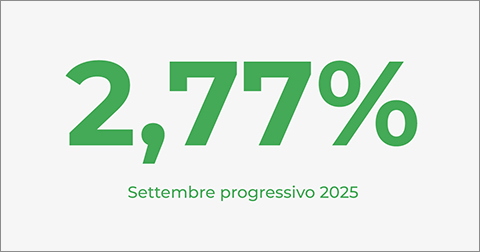
In an economic context that remains uncertain—where the instability of raw materials and ongoing cost pressures continue to weigh on many sectors—the electrical materials market is showing surprisingly strong vitality. The most significant figure emerges from the comparison between the first nine months of 2025 and the same period in 2024: a revenue increase of +2.77%, confirming the sector’s resilience even amid ongoing transformation.
Behind this result lie some clear dynamics: first, a price realignment that has helped preserve margins while remaining competitive. Second, a shift toward business models increasingly focused on value creation, specialization, and differentiated offerings. It is clear that companies capable of evolving—moving beyond pure price competition—are now reaping the rewards of change.
September, in particular, was a key driver of this growth. Showing stronger fluctuations than the previous months, it played a decisive role in achieving the positive year-to-date result. This trend suggests that it is not enough to simply “hold steady” during stable periods—competitive advantage is built precisely during phases of acceleration.
However, challenges remain, and they are many.
On the operational front, the supply chain continues to show fragility, with high logistics costs, procurement difficulties, and currency fluctuations impacting purchase prices. On the demand side, there is a risk that inflation and spending constraints among client companies may slow investments in electrical efficiency and technological renewal.
In this scenario, the most effective response is grounded in strategic solidity: cultivating stable relationships across the supply chain, focusing on higher-value, technically advanced products, leveraging consulting as a competitive advantage, and sharing expertise and innovation. Companies that can work as a team, look beyond price competition, and invest in distinctive services will find new avenues for growth.
If, a few years ago, the “product” component was the core of the business, today the intangible elements—support, training, and system integration—carry increasing weight. The market now rewards not just those who sell, but those who accompany. And this cultural shift is an essential part of the “new normal” in the electrical sector.
Ultimately, the +2.77% figure confirms that “resilience” is no longer a goal to be achieved, but a condition to be managed proactively. September demonstrated that this can be done with momentum—but the credit goes to the companies that anticipated change, implementing concrete, context-aware strategies. For those who want to ride the recovery wave, the time for reflection is over: it’s time to decide, act, and collaborate.