


Home & Building Automation: Enabling the Energy and Digital Transformation in Italy
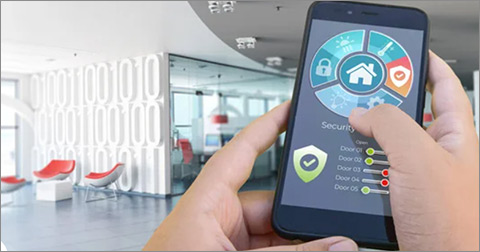

Italy, like many other European countries, is facing a dual historic challenge: the energy and digital transitions—two deeply interconnected processes where home and building automation plays a key strategic role. These technologies, which enable the intelligent and integrated management of buildings, are essential tools in achieving the environmental and technological goals set by the 2030 Agenda and the 2050 decarbonization roadmap.
A New Housing Paradigm
Home and building automation represents the evolution from traditional buildings toward a “smart” model, where efficiency, safety, and comfort are combined with sustainability. These are systems capable of automatically and remotely controlling heating, lighting, air conditioning, security, and access systems, integrating them into a logic of energy optimization and service provision.
Thanks to sensors, software, and IoT devices, buildings can monitor their energy usage, adapt to environmental conditions and user behavior, reduce waste, and improve energy performance. The direct result is a drastic reduction in CO₂ emissions, in line with the EU’s climate neutrality goals.
In the decarbonization journey, the building sector plays a crucial role: it is estimated that around 40% of Europe’s energy consumption comes from buildings. In this context, building automation becomes essential—not only to increase energy efficiency, but also to integrate renewable energy sources and support self-consumption.
Smart systems, for example, can schedule the operation of systems based on photovoltaic energy production or electricity market trends, optimizing resource use. Additionally, the integration of storage solutions and electric mobility management (charging stations and vehicle-to-grid systems) transforms the building from a simple energy consumer into a key player in the smart grid.
Building Automation Is Not Just About Energy
It is also, and increasingly, about data. Sensors, actuators, and cloud platforms generate and manage large amounts of data—valuable for predictive maintenance, environmental safety, user experience customization, and service optimization.
In this regard, building digitalization is fully aligned with the national digital transformation strategy, fostering an ecosystem of innovative solutions that can improve urban quality of life, increase real estate value, and promote new business models such as Energy-as-a-Service and Building-as-a-Platform.
Regulations and Incentives
The Italian and European regulatory frameworks recognize the strategic role of building automation. The Energy Performance of Buildings Directive (EPBD) and the EU Green Deal guidelines promote the adoption of BACS (Building Automation and Control Systems) as a tool to enhance building energy performance.
In Italy, instruments like the Superbonus, the Conto Termico, and PNRR funding offer concrete opportunities to accelerate the adoption of automation solutions in energy renovation projects. However, there is still significant growth potential, especially in the residential sector, where smart technologies remain underutilized.
A Key Pillar for Sustainable Transformation
Home & Building Automation is a core component of a sustainable transformation strategy for the country. Intelligently integrating domestic and business systems helps cut emissions, save energy, enhance property value, and improve quality of life.
To fully unlock this potential, however, investment in training, awareness, and regulatory simplification is essential—creating an environment that fosters innovation. Only then will Italy be able to fully embrace the opportunities of the twin energy and digital transitions, making a concrete contribution to the goals of the 2030 Agenda and climate neutrality by 2050.